
1. Introduction
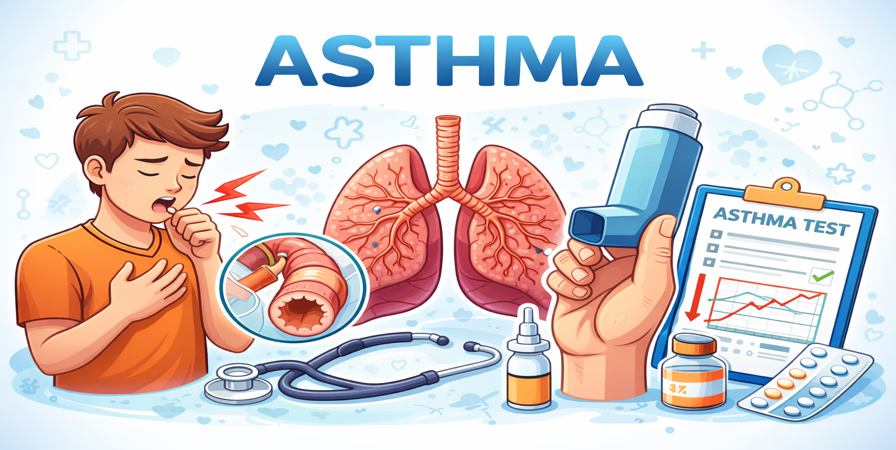
Asthma is one of the common breathing problems among people and can affect different age groups. The condition affects the airways in the lungs and makes it harder for air to flow in and out- this in turn causes difficulty in breathing. The airways then becomes inflamed and even narrower, thereby producing extra mucus, making breathing uncomfortable.
No wonder asthma is becoming a growing health condition worldwide, all because of the increasing pollution, changes in your lifestyle and also environmental factors. It is affecting people, covering adults and children, and even the elderly, majorly hits in childhood.
People who are surrounded by asthma undergo symptoms like-
- coughing
- wheezing
- shortness of breath
- and chest tightness
All of the above mentioned symptoms come and even go, or can worsen the condition when dust, smoke, and even cold air trigger you. There is no doubt that asthma can affect your day-to-day life, thereby limiting your physical activity and even thereby disturbing your sleeping pattern and impacting your overall life.
Hence taking proper asthma control is a must for those who are undergoing the difficulty under strict medical supervision.
2. What Happens in Asthma
Within healthy people, bronchial tubes are open and even relaxed, and the airflow properly both in and out. This particularly helps oxygen to reach your lungs easily and the carbon dioxide to be expelled out without any difficulty.
But what changes arise during asthma?
Since, during asthma there are 3 main things that happen inside the airways.
One is inflammation, which is when the inner lining of the airways becomes swollen and irritated.
Next is narrowing, where the muscles around the airways tighten, making the passage smaller.
The production of mucus where there is an extra thick mucus is produced, which further blocks airflow.
3. Types of Asthma
➨ Allergic
One of the most common which is being triggered by dust, pollen, pet dander and even mold. It often takes place with other allergies which is majorly sneezing and itching eyes.
➨ Non-allergic
This one is not linked with any allergies but can be triggered by stress, infections, cold air, smoke and strong odour.
➨ Exercise-induced
Some major symptoms seen in this type are coughing, wheezing, or shortness of breath and majorly takes place during or after physical activity majorly in cold/dry air.
➨ Occupational
Being caused by exposure to the irritants within the workplace, which are mainly chemicals, gases, dust and even fumes and being exposed during farming, constructions and even manufacturing.
➨ Childhood
Happens in children and can even improve or grow as they are moving towards age. Signs often include infections, allergens and environmental factors.
➨ Severe
One of the most severe cases where symptoms are frequent and even harder to control, and even while taking regular medicines, where it might require a specialised treatment.
➨ Seasonal
This type of asthma symptoms get worsen during certain times of the year, and this is usually due to the seasonal allergens like pollen or even spring or during winter (in pollution).
4. Causes of Asthma
● Genetic factors
Asthma is often found to be present within familes and this means if both or any parents have asthma or allergies, then there are chances of developing due to inherited traits that affect airway sensitivity.
● Environmental triggers
When exposed to air pollution, dust mites, pollen, pet dander, smoke, and chemical fumes, all of these can irritate the airways and even trigger asthma symptoms. Along with this weather has an impact during changes, whether cold or hot.
● Lifestyle influences
Some poor habits like smoking, no physical activity, gain in body weight, and even exposure to indoor pollutants can even increase the risk. However, if you undergo stress and live in poor conditions, this can even worsen.
● Role of immune system
Asthma is also closely linked to how your immune system reacts. People with this condition, their immune system that overreacts to harmless substances and thereby causing inflammation and even narrowing your airways.
5. Common Asthma Triggers
Some of the major asthma triggers are mentioned as below-
❶ Allergens
❷ Air Pollution & Smoke
❸ Respiratory Infections
❹ Physical Activity
❺ Changes in weather
❻ Strong Emotions & Stress
❼ Strong Smells & Chemicals
❽ Indoor Irritants
❾ Intake of certain medicines.
6. Signs and Symptoms of Asthma
The different symptoms are-
- Wheezing
- Shortness of Breath
- Chest Tightness
- Rapid Breathing
- Difficulty Sleeping
- Fatigue
- Coughing
Some can experience severe symptoms and those are-
- Extreme breathlessness
- Difficulty in speaking complete sentence
- Lip/face turning bluish
- Chest pulling inward
7. Asthma Attack (Emergency Section)
What is an asthma attack?
An asthma attack happens or hits people when there is a narrowing of the airways where muscles get tightened, the lining swells and even excessive mucus blocks and this makes it hard for people to breathe.
Warning signs before an attack
- Increased in coughing
- Chest tightness
- Feeling unusually tired or weak
- Mild wheezing
- need to use an inhaler more than usual.
What happens during an attack
During an asthma attack, the airways become extremely narrow.
Breathing becomes quite fast and even difficult.
Wheezing may become louder and even sometimes disappear if the airflow is very low.
Speaking becomes quite hard due to the lack of breath. Individuals find it quite difficult to breathe as almost no air passes.
When to seek emergency help
It is advisable to seek an immediate medical assistance in the case
When you are struggling to breathe and when your face or lips turns bluish
Unable to speak properly or your sentences break.
In case your quick inhaler is not giving you proper relief.
Symptoms are getting worse
In any of these conditions, it is advisable for patients to seek immediate asthma treatment and while consulting with experts..
8. Asthma Treatment Options
A. Medications
There are quick relief medicines available for asthma relief and useful during sudden asthma symptoms or attacks to offer an immediate relief thereby relaxing the muscle airwyas.
Some controllers like preventive medicines, are also available to reduce inflammation in the airways and to prevent symptoms. These help to keep under control and over the long-term.
In some cases, combination inhalers do work that contain both a bronchodilator and an anti-inflammatory medicine. They help to control symptoms and even prevent flare-ups.
Oral medicines are quick and they work faster to control severe or persistent, especially when inhalers alone are not enough.
B. Non-Medication Approaches
Identifying and staying away from triggers like dust, smoke, pollution, or allergens can even help to reduce symptoms.
Some breathing techniques like deep breathing or guided exercises, can even help to improve lung function and control symptoms.
Performing regular physical activity, such as light to moderate, can strengthen the lungs but it has to be done very carefully and with proper guidance.
Maintaining a healthy lifestyle like taking a balanced diet, managing proper weight and avoiding smoking, does help.
Management of stress while relaxation techniques like yoga or meditation can also help to control.
Following a personalised plan while consulting with a doctor helps to manage the daily symptoms and while knowing what to do during an attack.
9. Asthma Management Plan
➤ Daily routine for asthma patients
Taking a prescribed medicine on a regular basis or as advised can help to control asthma.
Avoid contact with known triggers like dust, smoke and allergens.
It is advisable to keep your living space clean and well-ventilated.
Try to stay physically active with some suitable exercise.
Must carry a reliever inhaler at all times for emergencies
➤ Monitoring symptoms
Must notice changes in breathing, wheezing and even coughing patterns.
Watch off your symptoms at night or early morning
Must track how often you need an inhaler.
Try to identify the pattern or even triggers that can worsen your condition.
➤ Using peak flow meter
Using a peak flow meter, which is a simple device that can help to measure how well air moves out of your lungs. Using it on a daily basis to determine the accurate timing.
It is also advisable to record your reading to monitor lung functioning.
The lower reading may also indicate worsening asthma, even before symptoms appear.
Helps to take you the early actions and prevent severe attacks
➤ Personalized action plan
An asthma plan is also a step by step process to help in controlling conditions and along with your doctor.
The green zone where there are no symptoms and hence continue regular medicine.
The yellow zone can show you some mild symptoms, which indicate increased caution and may even require adjusting treatment.
The red zone is the severe zone which requires emergency treatment under a medical expert.
10. FAQs Section
1. What is the best treatment?
There is no single treatment or we can say best one, as the cure depends upon one’s condition and this could be followed by Daily controller medications, some quick relievers are available in the market, Avoiding triggers and even following a personalised asthma action plan.
2. Can I live a normal life with asthma?
Yes, with proper medicines or treatment upon following a healthy lifestyle most of the people with asthma live normal and active life.
3. Is asthma dangerous?
Asthma can be dangerous when not managed properly as mild cases are usually safe with treatment but severe can be life-threatening when immediate care is not taken.
4. Can asthma go away?
In some cases- majorly in children’s asthma symptoms may reduce or even disappear over time. But there is also the possibility that it can return later on.
5. Is asthma curable?
Asthma cannot be completely curable, but can be managed, as it requires the right treatment and care on time. With this, most of the people can live with the symptoms even easily while taking treatment.
11.Conclusion
Asthma is a common yet manageable condition that affects people of all ages. While it cannot be controlled completely, understanding its causes, triggers and even symptoms play an important role in controlling it effectively.
All it requires a proper medication, changes in your lifestyle and even a well-planned management strategy to minimize the symptoms easily.