
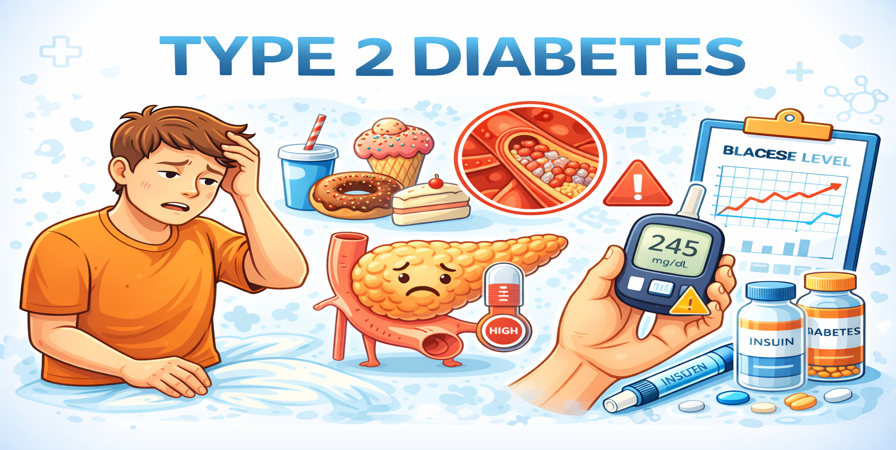
1. Introduction
Diabetes care is known to be a chronic condition in which your body either becomes resistant to insulin or does not produce enough of it and to maintain the normal blood glucose level. Insulin is, however, a hormone that can help glucose to enter the cell, which is used to be as energy. But when this particular process is disrupted, then sugar develops in the bloodstream, thereby leading to various health complications.
Type 1 Diabetes is known as an autoimmune condition where the body is reported to attack insulin-producing cells, and this in turn leads to little or no insulin production. This is found to develop early in life and even requires lifelong insulin therapy.
Type 2 Diabetes, on the other hand, develops gradually and is often linked with lifestyle factors like poor diet, lack of exercise, and obesity. In most of the cases, this can be managed with lifestyle changes, oral medications, or insulin if needed.
Type 2 Diabetes is becoming more common, and this is all because of the changes in your lifestyle. If you are following an unhealthy diet, high in sugar and processed foods, rising obesity rates, and also increasing the level of stress, all of these factors contribute to the condition.
In type 2 diabetes, it has been found that the body cell becomes quite less responsive to insulin, thereby causing glucose to remain in the blood instead of entering the cells.
2. What Happens in the Body?
Insulin is a hormone produced by the pancreas that can help to easily regulate the blood sugar level. Once you eat, blood glucose rises, and insulin is released to help cell absorb this glucose and use it for energy. It also signals the liver to store excess glucose for later use.
Insulin resistance occurs when the body cells’ are not able to respond properly, and as a result, more insulin is needed to have the same effect. However, when insulin resistance develops, then cells fail to absorb the glucose quite efficiently, the pancrease are able to produce more insulin to compensate and eventually pancreases are not able to keep up, therein glucose starts accumulating more insulin to compensate
Impact on organs like the pancreas, which overworks to produce more insulin, and over time it produces cells that may become exhausted and function less.
With the liver, instead of storing glucose, the liver is found to release more glucose into the blood and thereby worsening high sugar levels.
The muscle cells become less efficient at absorbing glucose and thereby reducing energy and contributing to fatigue.
3. Causes of Type 2 Diabetes
➤ Genetic factors (family history)
If a person has a history of diabetes, then they are often to come in contact at a certain age. Moreover, if you do not follow a healthy lifestyle, then it also becomes difficult to overcome the condition.
➤ Lifestyle factors (diet, inactivity)
Consuming unhealthy eating and also if you do not perform physical activities then it can contribute to poor blood sugar control and thereby increasing insulin resistance.
➤ Obesity and fat distribution
The development of excessive body fat, especially around the abdomen, is strongly linked to higher insulin resistance and even diabetes risk.
➤ Hormonal imbalances
The hormonal imbalance can also interfere with the insulin action and thereby make it harder for the body to regulate the blood sugar level easily.
➤ Age-related risks
As you age then this even increases the risk and particularly after 40, as metabolism slows and insulin sensitivity decreases.
4. Signs and Symptoms
Common symptoms include frequent urination, increased thirst and hunger, and persistent fatigue due to high blood sugar levels (Hyperglycemia) . Many people also experience blurred vision, slow healing of cuts or wounds, and a tingling or numb sensation in the hands and feet, which may indicate nerve involvement if the condition progresses.
5. Complications of Type 2 Diabetes
5.1. Short-term complications:
Hyperglycemia, which is the sudden rise in the blood sugar level, and thereby causing fatigue, frequent urination and thirst.
Hyperglycemia, which is low blood sugar and leads to dizziness, confusion and sweating, often happens due to medicines.
Diabetic Ketoacidosis, which is rare in type 2, is no doubt a serious condition, where the body is known to produce excess ketones.
Dehydration, on the other hand, is yet another one, which is caused by excessive urination due to high glucose level.
5.2. Long-term complications:
There can be an increased risk of heart attack, high blood pressure and even stroke.
The damage of the kidney can lead to chronic kidney disease or even failure.
Damage in nerves can cause tingling, pain and even numbness in extremities.
Eye damage can result in vision loss or even blindness.
Foot complications can lead to ulcers, infections, and the risk of amputation in severe cases.
6. Exercise & Physical Activity
Undergoing regular exercise plays an important role towards the management of type 2 diabetes. It helps in improving insulin sensitivity and helps to control blood sugar level. However, some activities like walking, cycling, or light strength training for around 30 minutes can also boost your day, support your body weight/management and even reduce the risk of complications.
7. Prevention of Type 2 Diabetes
➤ Healthy lifestyle habits
Maintaining a regular physical activity, management of stress, and also getting adequate sleep can improve the level of insulin sensitivity, thereby affecting overall metabolic health.
➤ Diet modifications
A balanced diet, which is rich in vegetables, whole grains, lean protein, low in sugar and processed foods, helps control blood sugar levels effectively.
➤ Regular screenings
The routine blood sugar check and health screening helps in early detection and also allows the timely management to prevent the progression.
➤ Importance of early action
It is advisable to follow the above steps to ensure control type 2 diabetes and if you find any difficulty like undergoing any symptoms then it is advisable to go for an early action to prevent the complications.
8. Living with Type 2 Diabetes
Living with type 2 diabetes requires managing your lifestyle, which involves a balanced and rich diet, regular exercise and also routine monitoring or checkups. Along with proper care, consuming the right medicine and following healthy habits, individuals are seen to lead a normal life and thereby minimizing the risk of complications.
9. FAQs Section
1. Can Type 2 Diabetes be reversed?
In some cases, it can be managed by following a strict lifestyle like consuming the right diet, regular exercise and also managing body weight.
2. Is it lifelong?
Yes, it is known as a chronic condition, but it is reported to be controlled with proper care and treatment when taken.
3. Can I eat sweets occasionally?
Yes, but in a moderate state, and as a part of a balanced diet, and thereby keeping blood sugar level check
4. How often should I check blood sugar?
The checkup depends upon your condition, and with the right treatment plan, however, there is a need for general monitoring as per advised by your doctor.
10. Conclusion
Type 2 diabetes is found to be a manageable condition when there is early detection done along with the right approach. Patients are advised to adopt a healthy lifestyle, perform exercise, consume rich diet and also look after their body weight. Alongside, monitoring of blood sugar level is also required to prevent complications and thereby improve overall well-being.